

1/48 USMC PBJ-1D
14 November 2024
1/72 F-86F KOREAN WAR
14 November 2024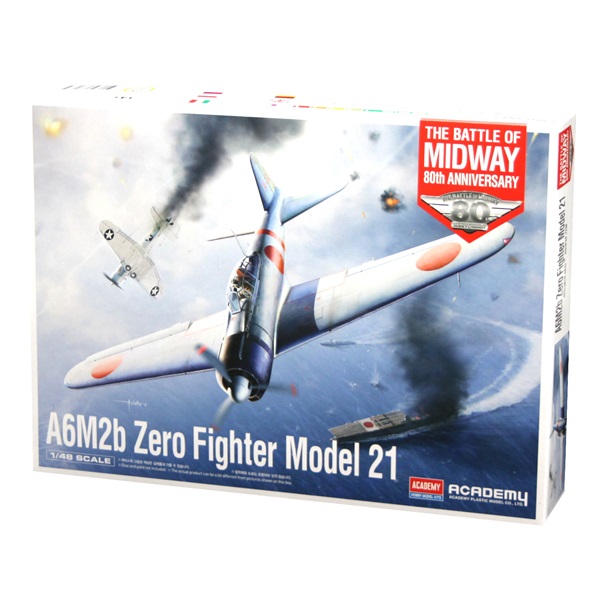
1/48 A6M2B ZERO TYPE 21
R590,00
The Mitsubishi A6M Reisen, commonly known as the Zero or Zeke, was a Japanese single-engine, all-metal, low-wing fighter aircraft used during World War II. Its prototype first flew on April 1, 1939, and it entered service in the summer of 1940. Early models were powered by the Mitsubishi Zuisei 13 engine, but from the A6M2 Model 11 onward, it was equipped with the more powerful Nakajima NK1B Sakae 12 engine, generating 950 horsepower. This upgrade helped make the Zero one of the best fighter aircraft in the early stages of the war.
Several variants of the A6M were developed throughout the war, with the A6M2 Model 21 being one of the most notable. This version, designed specifically for carrier operations, featured folding wings and became the primary Japanese carrier-based fighter at the outset of the Pacific War. Later versions, including the A6M3 and A6M5, saw improvements, though they also faced challenges.
The A6M3, which featured the more powerful 1,130 HP Nakajima Sakae 21 engine with a supercharger, increased the aircraft’s weight and resulted in reduced range and maneuverability. To address these issues, the A6M5 model, introduced in 1943, included modifications such as a revised exhaust system, redesigned wings, and the removal of the folding wing feature, which boosted top speed. The A6M5 remained in production throughout the war, with one of its most widely produced variants being the A6M5C Model 52C “Hei,” with nearly 5,000 units built.
The A6M Zero participated in almost the entire Pacific War, primarily as a carrier-based fighter but also used extensively by the Japanese Army. Its designer, engineer Jiro Horikoshi, applied lessons learned from his work on the M5A aircraft to create an extremely agile, aerodynamically efficient fighter with a long range. However, this performance came at the cost of armor protection and the lack of self-sealing fuel tanks, making the Zero vulnerable to damage and prone to fire.
As the war progressed, the Zero’s initial superiority began to wane. By 1943, newer American fighters like the P-51 Mustang, P-47 Thunderbolt, and F4F Wildcat outclassed the A6M in terms of speed, firepower, and durability. Despite these shortcomings, the Zero remained a formidable adversary until late in the war, as the Allies struggled to develop a plane capable of matching its early performance.
Technical Specifications (A6M2 Model 21):
- Length: 9.06 meters
- Wingspan: 12 meters
- Height: 3.05 meters
- Maximum Speed: 533 km/h
- Rate of Climb: 15.7 meters per second
- Maximum Range: 3,105 km
- Maximum Ceiling: 10,000 meters
- Armament:
- Fixed: 2 × 20mm Type 99-1 cannons
- 2 × 7.7mm Type 97 machine guns
- Up to 250 kg of bombs (suspended)
Related products
-
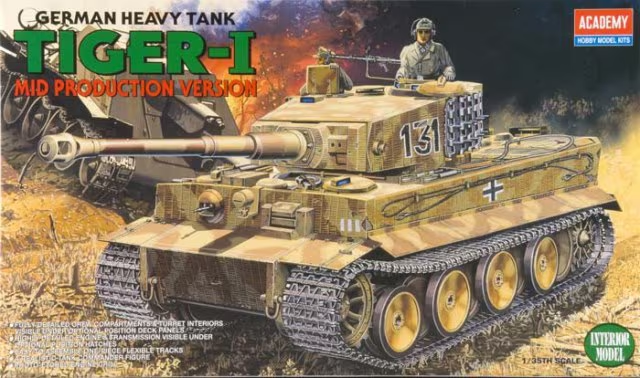
Academy 1/35 Tiger 1 – Mid Production With Interior
R1000,00- 1387 Tiger 1 Mid Production 1/35 w/INTERIOR
-
1/48 MIRAGE IIIR
R300,00The Dassault Mirage III / 5/50 is a French single-engine fighter-attack aircraft with a delta-shaped lobe, without horizontal tail. In late 1955, Dassault began building a […]
-
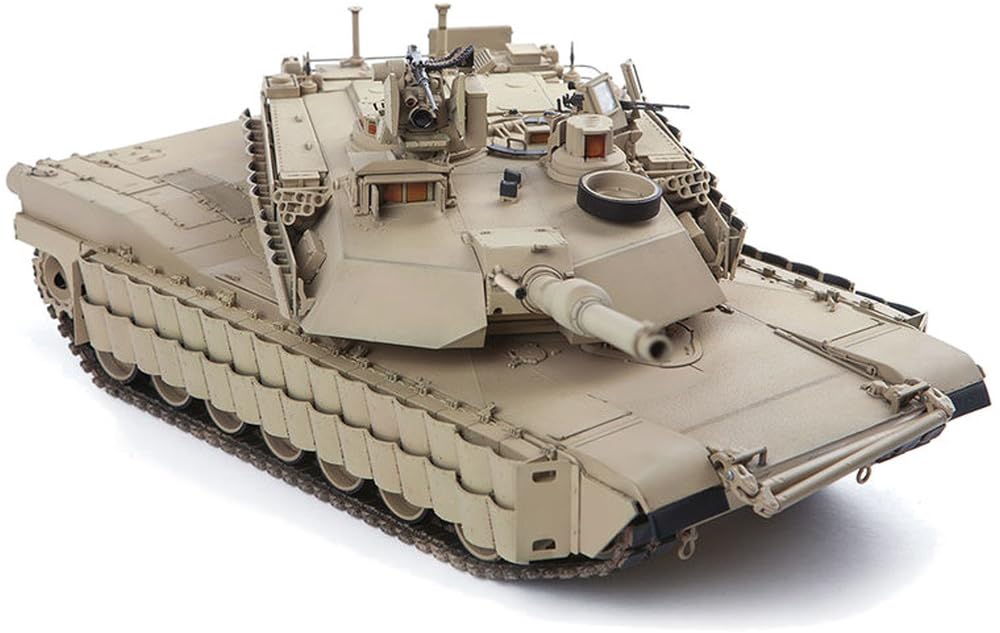
1/35 Academy M1A2 V2 TUSKII
R1290,00The M1 Abrams is a modern 3rd generation American Main Battle Tank. The first prototypes of the vehicle were created in the 1970s, and serial production […]


Reviews
There are no reviews yet.